




Electric vans are popping up everywhere. On building sites, delivery routes, and business fleets across the UK.
But if you’ve always driven diesel, switching can feel like a big step. Will the range be enough? Is charging a hassle? And will it still handle a full day’s work?
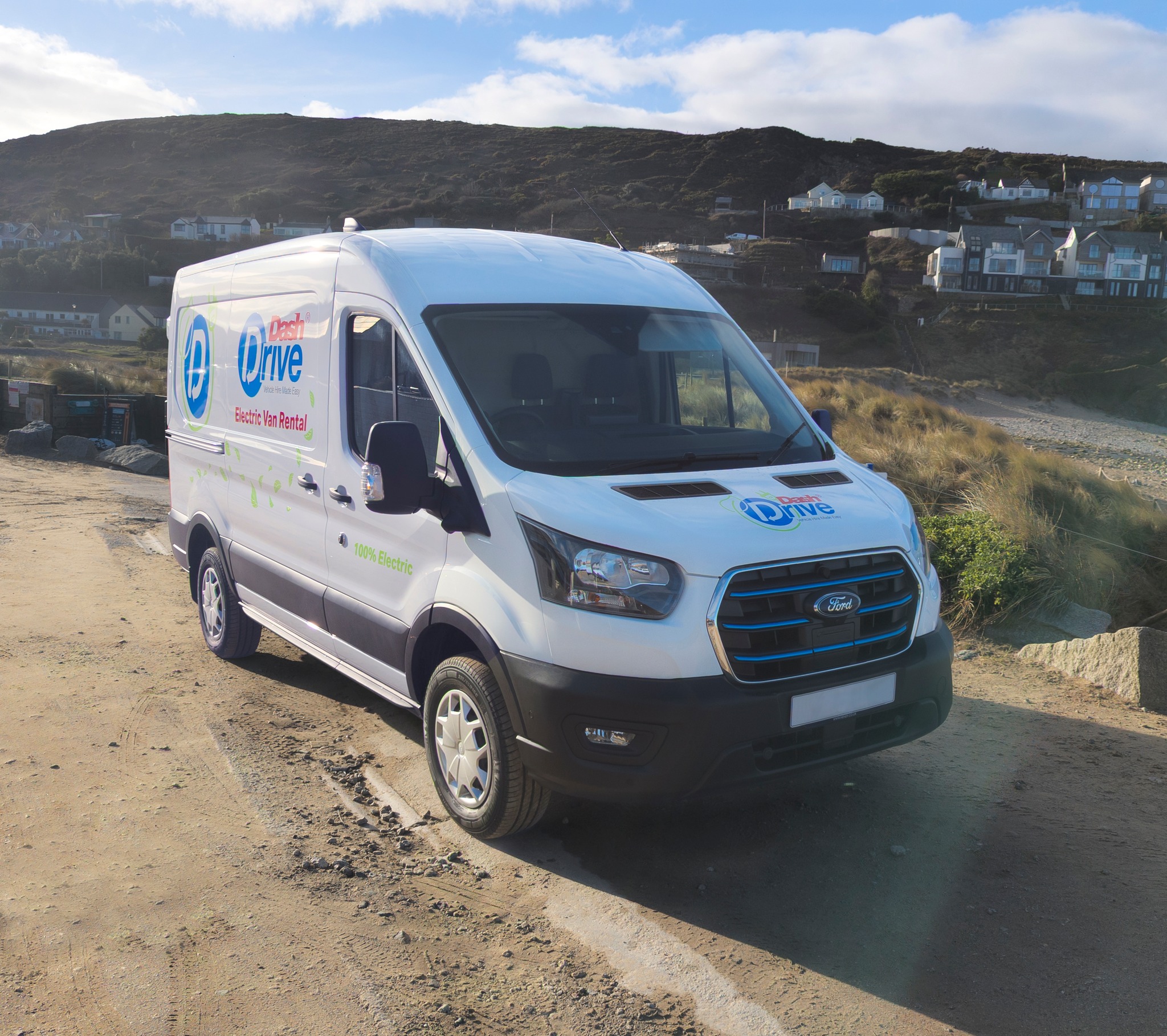
The good news? Modern electric vans, like the Ford E-Transit, are designed for real work. They’re practical, powerful, and surprisingly easy to drive.
If you’re curious about hiring an electric van for your next job, here’s a simple guide to what you can expect.
How far will it go on one charge?
Range is usually the first question people ask.
The Ford E-Transit can travel up to around 196 miles on a single charge. For many daily jobs, that’s more than enough. Think about typical van use. House moves. Local deliveries. Site visits. Trips between towns.
Most of these journeys fall well within that range. Many drivers finish the day with charge to spare.
How long will it take to charge?
Charging is often easier than people expect.
If you use a rapid DC charger, you can top up quickly while taking a short break. Perfect for grabbing a coffee or lunch.
For overnight charging, a wall box is even simpler. You plug the van in when you finish work. By morning, it’s ready to go again. No trips to the petrol station required.
Is it good enough to use for work?
Absolutely.
The Ford E-Transit delivers up to 266hp and strong electric torque. That means instant power when you press the accelerator.
Electric motors provide smooth acceleration, even when the van is fully loaded.
There’s also no gear shifting to think about. Just press the pedal and go.
Drivers often notice how quiet and comfortable the cabin feels too. Long days on the road become far more relaxed.
For trades, deliveries, or moving equipment, the performance easily keeps up with the demands of the job.
Will I lose space compared to a normal Transit?
Not at all.
One of the best things about the E-Transit is that it keeps the same practicality and cargo space you expect from a normal Transit.
You still get the familiar loading area, strong payload capacity, and easy access for tools or deliveries. So if you’re used to working with a Transit van, the electric version will feel very familiar.
Is it cheaper to run?
Running costs are another big advantage.
Electric charging generally costs less than diesel, especially if you charge overnight.
There are also fewer moving parts in an electric vehicle. That can mean lower maintenance costs over time. No oil changes. Fewer components that wear out. Simpler servicing.
For businesses that use vans regularly, these savings can really add up.
Conclusion
Electric vans aren’t just a future idea anymore. They’re already proving themselves on real jobs every day.
With strong performance, plenty of range, and lower running costs, vans like the Ford E-Transit make switching to electric surprisingly easy.
Curious to try one for yourself? Click here and hire one today!